
Tile Journey - Classic Puzzle
MetajoyBoard
4.51.81K Reviews
- Version
- 0.2.78
- Installs
- 1.00M
- Age Rating
- Everyone
Screenshots
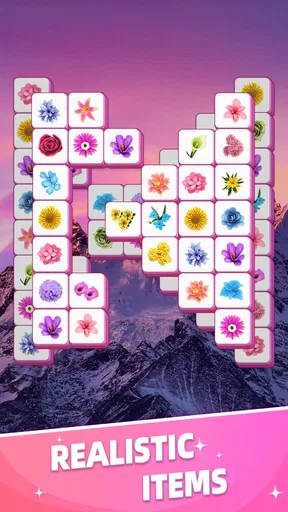

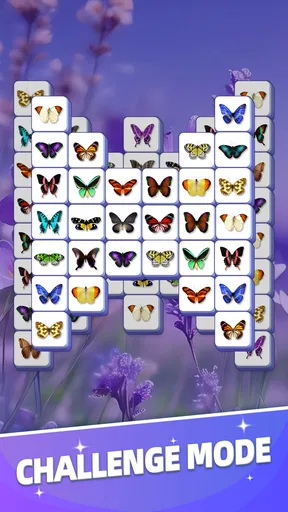

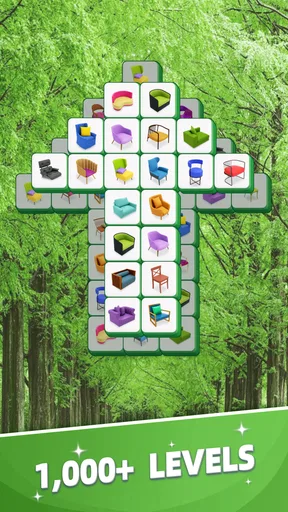
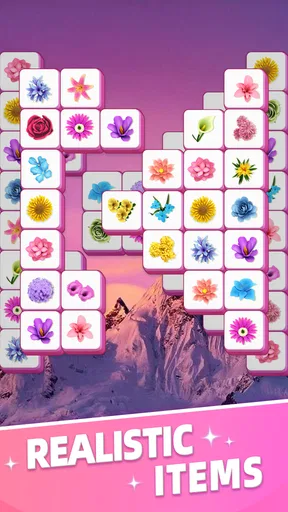


Our Review of Tile Journey - Classic Puzzle
 Analysis by Appyee
I spent time with Tile Journey - Classic Puzzle expecting a simple matching game, and that is exactly where its appeal lies. It is a board game from Metajoy built around arranging and matching tiles, with a calm rhythm that works well when I want something easy to start and difficult enough to keep my attention. The central idea is familiar, but the way each board asks me to look ahead gives the experience more thought than the short store summary suggests.
My overall view is straightforward: Tile Journey - Classic Puzzle is best as a relaxed offline puzzle for short, repeatable sessions, not as a deep strategy game or a dramatic competitive challenge. I enjoyed it most when I treated each level as a small visual exercise rather than something to rush through. That distinction matters, because players who want constant action may find it too gentle, while people who enjoy sorting, planning, and clearing a board at their own pace will probably settle into it quickly.
How the tile-matching board feels in actual play
The first thing I noticed is how quickly the game communicates its basic interaction. I do not need a long explanation to understand that the board is about finding matching tiles and making careful choices. That low barrier is one of its strongest qualities. I can open it during a short break, understand the current situation almost immediately, and begin making decisions without first learning a complicated rule set.
Although the concept looks simple, the board can punish careless choices. A match that seems useful in the moment may remove the exact tile arrangement I need later. I found myself scanning the visible pieces before tapping, checking which options were exposed and which possible matches might become blocked. This creates a pleasant shift from casual observation to light planning. The game does not need elaborate mechanics to make a player think; the order of removal does much of the work.
That makes the experience more satisfying than endlessly tapping obvious pairs. I began to develop a small routine: first inspect the whole layout, then identify matches that open several possibilities, and only afterward clear isolated combinations. This approach is especially useful when the board contains several tempting moves. The best choice is not always the fastest match. Sometimes preserving flexibility is more valuable than clearing a tile immediately.
The offline focus is another practical strength. I can use it in places where I would rather not depend on a connection, such as during a commute, in a waiting room, or while sitting somewhere with unreliable reception. That makes the game feel more like a dependable pocket activity than a title I need to prepare for. It is easy to keep available for those moments when I want a quiet distraction without committing to a long session.
I also appreciate that the board format gives the game a clear stopping point. A completed puzzle feels like a natural break, so I am less likely to lose an entire evening to it than I might with a more aggressive progression-based game. On the other hand, that same structure means the experience can feel repetitive if I play for too long. The pleasure comes from solving the current arrangement, not from a huge variety of actions.
Small decisions make the familiar formula work
The most useful habit I developed was resisting the urge to remove the first available match. When several pairs are visible, I look for the move that reveals the most new information. A match that uncovers a covered area or leaves more open choices usually gives me a safer position than one that merely reduces the tile count. This is a small distinction, but it turns the game from a reflex exercise into a planning puzzle.
Another practical tip is to watch for tiles that are doing double duty. If one visible tile can match in more than one way, I try not to spend it until I understand which route keeps the board flexible. Using it too early can leave a useful partner stranded later. I would not call this advanced strategy in the traditional board-game sense, but it is the kind of pattern recognition that makes repeated sessions more rewarding.
When I am playing casually, I sometimes accept a less-than-perfect move simply to keep the pace comfortable. When I am trying to solve a difficult layout, I slow down and mentally compare several possible sequences before touching the board. That change of approach is important: the same game supports both a quick distraction and a more deliberate puzzle session, depending on how much attention I bring to it.
The visual matching also makes it suitable for players who enjoy orderly tasks. I find the act of grouping similar tiles naturally calming, especially when I am tired but still want something more engaging than passive scrolling. It gives my attention a narrow target without demanding the speed or precision of an action game. For me, that is where its strongest everyday value appears.
Where the experience starts to lose momentum
The main weakness is not that the formula is simple; simplicity is part of the appeal. The issue is that the same simplicity can limit the sense of discovery over longer sessions. Once I understand the basic rhythm of scanning, choosing, and clearing, the game depends heavily on the board arrangement to maintain interest. If I play several puzzles back to back, the core interaction can begin to feel familiar rather than fresh.
This is also not the right choice for someone looking for a strong social layer, a competitive ladder, or a story-driven reason to keep playing. My enjoyment comes from the individual puzzle in front of me. Players who need constant goals beyond board completion may prefer a board title with richer progression, direct multiplayer, or more varied modes. Tile Journey is more comfortable as a personal, low-pressure pastime than as a central gaming hobby.
The relaxed pace can be another limitation. I like having time to inspect the board, but players who want quick reactions or a sense of urgency may find the absence of pressure underwhelming. It does not try to turn matching into an arcade contest. Its challenge is mostly visual organization and move selection, so the emotional payoff is quiet rather than explosive.
The free download is helpful for trying the game without an initial purchase, but the presence of optional in-app purchases is worth keeping in mind. Individual items range from $0.99 to $69.99, so I would approach the game with a clear personal spending limit. I did not need to treat purchases as the reason to play, and I would recommend deciding in advance whether the free experience is enough for you rather than making impulse decisions during a long session.
That pricing range is particularly relevant for families. The content rating is Everyone, which makes the game broadly approachable, but an age rating does not replace sensible supervision of purchases. If I were setting it up for a younger player, I would make sure the device’s purchase controls matched the household’s expectations. The gentle puzzle style may suit children and adults, but spending habits still deserve attention.
Who will get the most from it
I would recommend this game first to people who enjoy classic matching puzzles but want something that can be played without an internet connection. It works well for anyone who likes visual sorting, modest planning, and sessions that can end after one board. I can imagine it fitting naturally into a morning coffee break, a short rest between tasks, or a quiet evening when I want interaction without noise or pressure.
It is also a good fit for players who are new to mobile board games. The rules are approachable, and the tile layout gives immediate visual feedback about what can be done. Someone who finds complex strategy games intimidating can begin with the basic matching process and gradually become more deliberate about preserving options. That learning curve feels natural rather than forced.
For a realistic everyday example, I would use it during a delayed appointment. A fast action game might be awkward because I could be interrupted, while a narrative adventure may require more concentration than the situation allows. Here, I can inspect a board, make a few moves, pause if my name is called, and return without losing the thread of a complicated plot. That flexibility is one of the reasons I kept coming back to it.
I would be more cautious about recommending it to players who need constant novelty. If your favorite mobile games are built around live competition, character development, dramatic missions, or rapid unlocks, this may feel too narrow. It is also unlikely to replace a full tabletop experience for people who want negotiation, bluffing, or interaction with other players. Compared with a traditional board game, its advantage is convenience; compared with a richer mobile puzzle collection, its advantage is focus rather than variety.
It may appeal to older players or anyone who prefers a calmer interface, although individual comfort with tile recognition and screen controls will vary. I found that taking a moment to inspect the whole board was more useful than trying to play quickly. That makes it a reasonable choice for users who value patience and clarity over speed, provided they are comfortable with the visual demands of matching similar pieces.
Device details and practical expectations
The game is free to install and is suitable for Everyone. It supports Android devices running version 7.0 or later, which gives it a broad reach among older compatible phones and tablets. The current version is 0.2.78, and the game has been available since January 3, 2021. Those details make it easier to judge whether it fits an existing device before downloading.
Its audience size also suggests that the concept has found a substantial mobile following: it has passed 1 million installs, with an average rating of 4.5 from around 14 thousand ratings and roughly 1.8 thousand written reviews. I would not treat popularity as proof that every player will enjoy it, but those figures match my impression that the game is easy to understand and broadly accessible.
Metajoy keeps the identity of the experience centered on the board itself rather than on a complicated genre blend. That focus is useful when I want to know what I am downloading: this is a tile-matching puzzle, not a hidden action game or a demanding strategy simulator. The clearer the expectation, the more likely the game is to satisfy the right player.
Before installing, I would ask myself three practical questions. Do I enjoy repeating a familiar puzzle structure? Do I want something that works offline? Am I comfortable with optional purchases in a free game? If the answer to all three is yes, the download makes sense. If I need multiplayer, a strong story, or a radically different challenge from one session to the next, I would look elsewhere.
My final recommendation after playing
Tile Journey - Classic Puzzle succeeds because it understands the value of a focused idea. Matching tiles is not a new concept, but the game gives that idea enough room for careful choices to matter. I liked being able to play casually while still having the option to examine the board more seriously. The offline format, approachable rules, and natural stopping points make it especially convenient for everyday use.
At the same time, I would not oversell its depth. The experience can become repetitive, and it does not serve players searching for social competition, fast action, or a large collection of radically different mechanics. The optional purchase range also means I would recommend setting boundaries before playing, particularly on a shared family device.
My verdict is positive but specific: choose it if you want a calm, accessible board puzzle that rewards looking ahead and fits neatly into spare moments. Skip it if your ideal game needs dramatic progression or constant surprise. For the right audience, its greatest strength is the balance between effortless entry and just enough planning to make each board feel earned. That is a modest goal, but in my experience, it is one the game meets well.
Verdict
Strengths of Tile Journey - Classic Puzzle
- Simple matching rules make it easy to learn and play casually.
- Short levels fit well into quick breaks or daily sessions.
- Relaxing puzzle format offers a low-pressure gaming experience.
- Progressive challenges help maintain interest beyond the opening levels.
- Offline play is convenient when you have limited or no internet access.
Limitations of Tile Journey - Classic Puzzle
- Repeated tile layouts can make later sessions feel somewhat predictable.
- Mistakes may become frustrating when limited moves or lives are involved.
- Difficulty balancing may vary noticeably between different stages.
- Ads can interrupt the flow, especially during frequent level attempts.
- Long-term appeal may be limited for players seeking competitive features.
Other Releases by Metajoy
View All
Hexout - Color Hexa Puzzle
Puzzle4.9

Zombie Roguebie: Survivor Game
Adventure4.6
Similar Picks in This Category
View All
Ludo King®
Gametion4.1

Ludo
Yarsa Games4.6

Tile Master® - Matching Game
Higgs Studio3.6

Checkers Online
CC Games4.6

Dominoes
Loop Games4.7

Chess
Chess Prince4.6
Frequently Asked Questions
What is Tile Journey - Classic Puzzle?
Tile Journey - Classic Puzzle is a relaxing tile-matching game built around the familiar mahjong-style mechanic of finding and clearing identical tiles. During each level, you tap available tiles and place them in a limited collection tray, combining three matching pieces to remove them. The game gradually introduces more complex layouts, making it suitable for short casual sessions as well as longer puzzle-playing sessions.
How do you play Tile Journey - Classic Puzzle?
The basic gameplay is easy to understand, but later stages require careful planning. You select visible tiles from the puzzle board and place them in the tray at the bottom of the screen. Matching groups of three disappear, while unmatched tiles occupy valuable spaces. The main challenge is choosing the right order, avoiding a full tray, and using boosters or hints wisely when the board becomes difficult.
Is Tile Journey - Classic Puzzle free to download and play?
Tile Journey - Classic Puzzle is generally available as a free download, allowing players to begin solving puzzles without purchasing the game. However, free-to-play games commonly include optional advertisements, extra rewards, boosters, or in-app purchases. The exact pricing and advertising experience can vary by platform and update, so it is worth checking the store listing before downloading, especially if you want to avoid unexpected purchases.
Does Tile Journey - Classic Puzzle require an internet connection?
The core tile-matching levels may be playable without a constant internet connection, which makes the game convenient for travel, commuting, or offline breaks. Nevertheless, some features can depend on online access, including advertisements, cloud synchronization, special events, leaderboards, and in-app purchase verification. Availability of offline play may also change after updates, so players should confirm the current requirements on the Android or iOS store page.
Is Tile Journey - Classic Puzzle suitable for children and casual players?
The straightforward controls and familiar matching rules make Tile Journey - Classic Puzzle approachable for casual players, including people who prefer calm games rather than fast action. Even so, parents should review the app’s age rating, advertising content, and purchase settings before allowing children to play. Difficulty, reward systems, and optional boosters can encourage longer sessions, so parental controls may be useful for younger users.
Play our best games!


